Compare Local Contractors for Vent Installation Service
Compare local contractors for vent installation by reviewing experience, defining project scope, and setting clear expectations to ensure a successful, well-managed job.
Vent installation services typically encompass the setup and integration of ventilation systems within a property. This work can include installing new exhaust fans, intake vents, ductwork, and related components that ensure proper airflow and ventilation. Proper vent installation is essential for maintaining indoor air quality, controlling moisture, and supporting overall comfort. Contractors may also handle modifications to existing systems, troubleshoot airflow issues, and ensure that all components are correctly connected and functioning as intended.
Defining the scope of vent installation work is a critical step in ensuring the project meets specific needs and expectations. Clear communication about what the installation involves helps prevent misunderstandings and ensures that both property owners and contractors are aligned. Detailed scope definitions might specify the types of vents or systems to be installed, the locations within the property, and any preparatory or finishing work required. Documenting these details in writing can serve as a reference throughout the project, helping to clarify responsibilities and reduce potential disputes.
Property owners can compare local contractors by evaluating their experience with similar vent installation projects, checking references or reviews, and verifying the range of services offered. It’s important to consider how each contractor approaches the scope of work and whether they can accommodate specific requirements. Asking for detailed proposals that outline the work to be performed, materials to be used, and the process involved allows for better comparison. Focusing on the contractor’s ability to communicate clearly and provide comprehensive written estimates can help property owners make informed decisions and select service providers who are well-suited to their ventilation needs.
Compare local contractors by outlining your project priorities, verifying experience, and setting clear expectations in writing.
- Compare Contractor Experience - Review the backgrounds of local contractors to ensure they have relevant experience with vent installation.
- Define Project Scope - Clearly outline the work needed and expectations to prevent misunderstandings.
- Verify Credentials and References - Check references and previous work to assess the quality and reliability of service providers.
- Document Agreements in Writing - Ensure all project details, responsibilities, and expectations are confirmed in a written agreement.
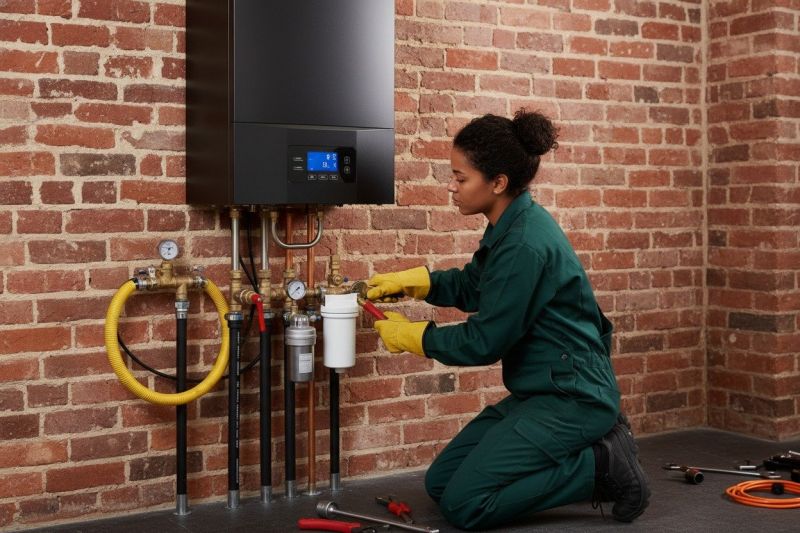
Before comparing contractors, clearly define your vent installation project to ensure accurate scope and expectations.
- Verify the contractor’s experience with vent installation projects similar in scope and complexity. - Ensure the service provider clearly defines the scope of work and installation process in writing.
- Check that the contractor provides detailed, written estimates outlining the materials, methods, and responsibilities involved. - Confirm that the contractor discusses vent system specifications and compatibility with existing infrastructure.
- Assess the contractor’s reputation by reviewing references or feedback from previous clients regarding vent installation quality. - Look for service providers who can demonstrate a consistent track record of successful vent system installations.
- Ensure the scope of work, responsibilities, and expectations are documented in a formal agreement before work begins. - Clarify the steps involved in the installation process and any responsibilities for site preparation or cleanup.
- Compare the credentials and experience levels of different local contractors to determine their expertise in vent system installation. - Prioritize service providers who specialize in ventilation systems and have relevant project experience.
- Confirm the contractor’s understanding of local building codes and standards related to vent installation. - Ensure they are knowledgeable about compliance requirements that may impact the installation process.
Compare local contractors’ experience and services to clearly define your vent installation project scope.
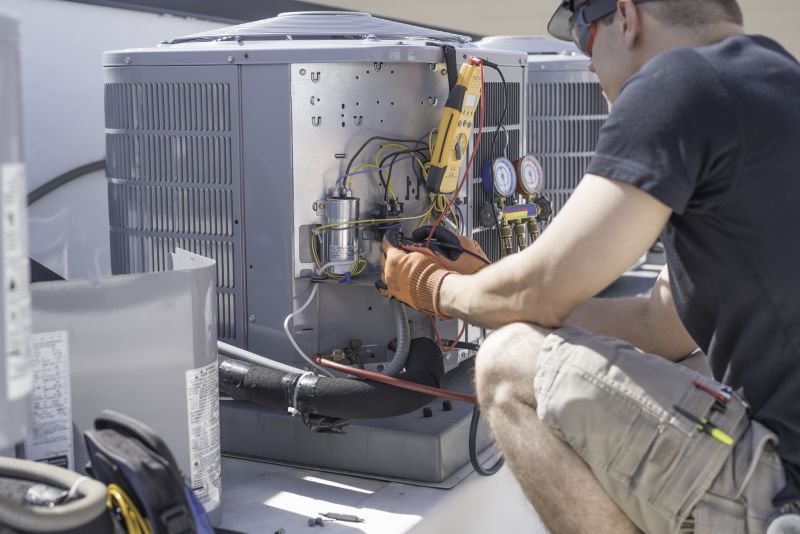


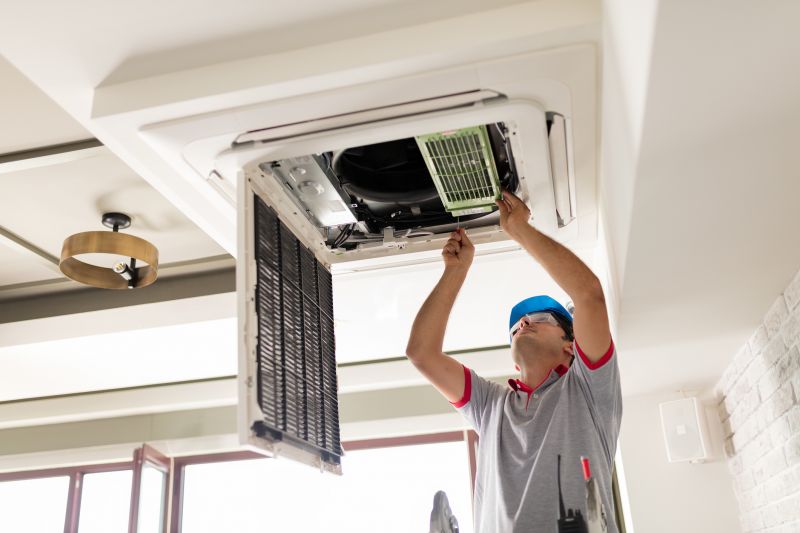
Learn how to compare local contractors, define project scope, verify experience, and set clear expectations in writing.
- Scope Definition - Clearly specify the extent of vent installation work to be completed by the service provider.
- Experience Verification - Confirm that local contractors have relevant experience with vent system installations.
- Material Specifications - Identify the types and quality of materials to be used for the vent installation.
- Work Standards - Establish expectations for installation procedures and adherence to applicable building codes.
- Written Agreement - Ensure all project details, responsibilities, and scope are documented in a formal agreement.
When comparing contractors for vent installation services, it’s important to evaluate their experience with similar projects. Homeowners should inquire about how many vent installation jobs the service providers have completed that resemble the scope of their own project. A contractor with a proven track record handling comparable systems and building configurations can offer insights into potential challenges and proven solutions. This helps ensure that the chosen professional understands the specific requirements of vent systems similar to those needed in the home, reducing the likelihood of issues arising during installation.
Clear, written scope details are essential when assessing different service providers. Homeowners should seek contractors who can provide a comprehensive description of the work to be performed, including the materials to be used, the steps involved, and any necessary preparations or modifications. Having a detailed scope in writing helps prevent misunderstandings and sets clear expectations for the project. It also provides a basis for comparing what each contractor offers, making it easier to identify who provides thorough and transparent project outlines.
Verification basics involve confirming that a contractor has the appropriate experience and knowledge to perform vent installation properly. Homeowners can ask for references or examples of past work, and verify that the contractor has handled projects of similar complexity. Additionally, understanding their approach to assessing existing vent systems and ensuring proper airflow and safety standards can be useful. While formal licensing and certification are not discussed here, evaluating the contractor’s familiarity with standard installation practices can help gauge their competence and reliability.
When evaluating options, it’s helpful to focus on the clarity of communication and the level of detail provided in proposals. Homeowners should compare how well each service provider articulates their process, the scope of work, and the materials involved. Asking questions about how they plan to verify proper vent function and ensure long-term performance can reveal their expertise and professionalism. Prioritizing contractors who offer detailed, written information and demonstrate a thorough understanding of vent systems can lead to a more informed decision aligned with project needs.
Ask contractors to provide written scope details to ensure clear understanding and consistent project expectations.
- Experience and Credentials - What experience do local contractors have with vent installation projects similar to yours?
- Scope of Work - How will the service provider define and document the specific tasks included in the vent installation?
- Materials and Equipment - What types of materials and tools will the contractors use for the vent installation?
- Project Expectations - How will the scope and process be clarified and agreed upon in writing before work begins?
- Comparison Criteria - What factors should be considered when comparing different local contractors’ approaches and qualifications?
What should I consider when choosing a contractor for vent installation? It's important to compare local contractors based on their experience, reputation, and scope of services to ensure they can meet the specific requirements of your vent system.
How can I verify a contractor’s experience with vent installation? You can review their previous work, ask for references, or check if they have specialized knowledge in vent system installation to confirm their expertise.
Why is it important to define the scope of work in writing? Having a clear, written scope helps set expectations, prevents misunderstandings, and ensures all parties agree on the work to be performed.
What questions should I ask a contractor before hiring for vent installation? Inquire about their experience, the process they follow, materials used, and how they handle any unforeseen issues during installation.
How can I compare different service providers effectively? Look at their credentials, reviews, scope of work, and communication style to determine which contractor aligns best with your project needs.
What are the benefits of working with local contractors for vent installation? Local contractors often have a better understanding of regional codes and conditions, and can provide more personalized service tailored to your area.
This page has provided an overview of how to find qualified contractors for vent installation services. Visitors learned the importance of clearly defining the scope of work, verifying the experience of service providers, and setting expectations in writing to help ensure a smooth process. Comparing multiple local contractors can help identify options that best meet specific project needs and preferences.
To explore available options, using the quote form allows for easy comparison of local service providers. Connecting with experienced contractors through this process can help gather information and find the right fit for vent installation projects. Taking the time to evaluate and communicate with local contractors can support making informed decisions tailored to individual requirements.